Era Essentials:
Curated Hoodie Details (1960-1990)

Era Essentials: Curated Hoodie Details (1960-1990)

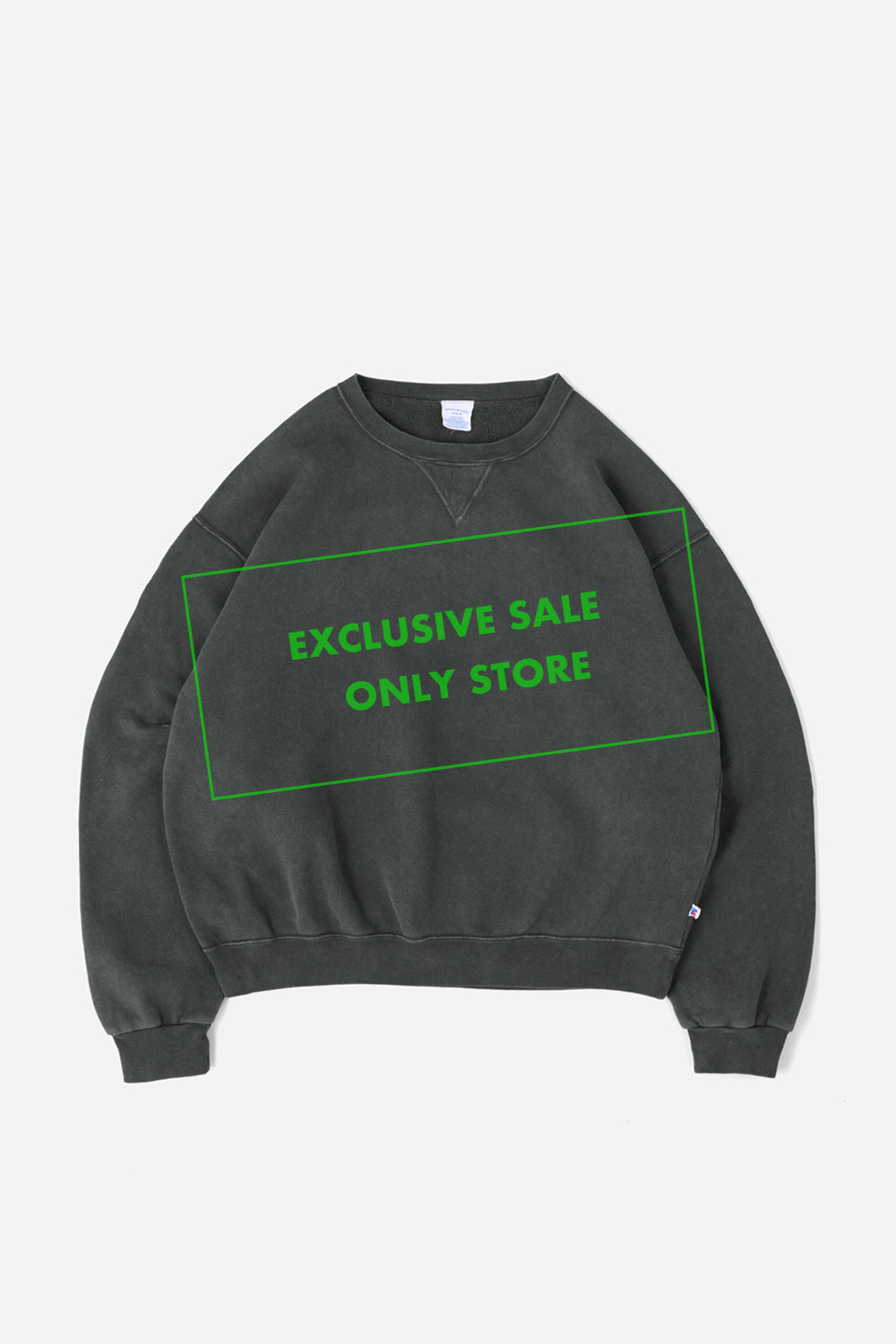
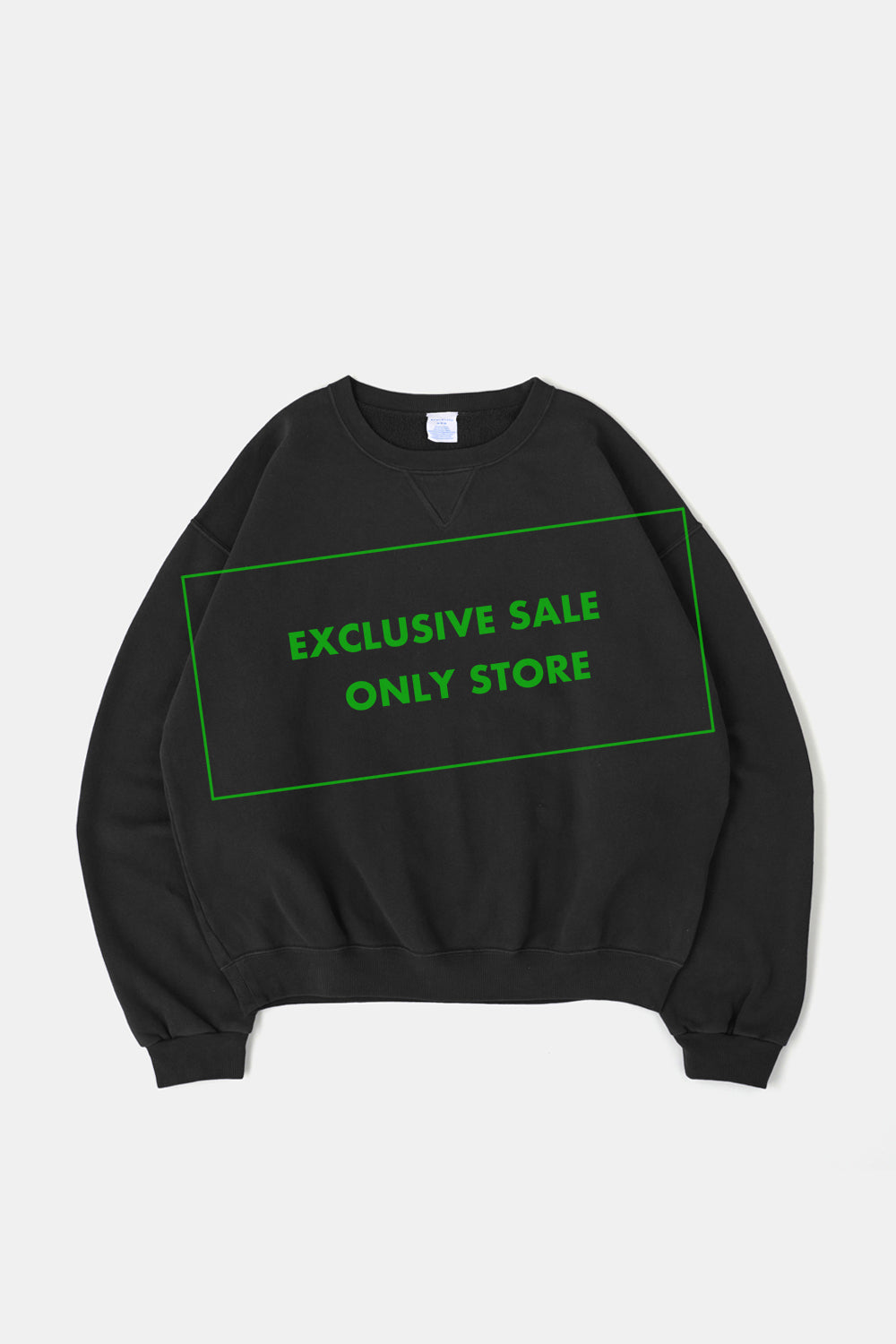
New sweatshirts and zip-up hoodies will be released. They are made from 100% cotton fleece material, recreating the vintage look of the 60s and early 70s.

The silhouette is inspired by a certain brand from the 1990s, with a distinctive rounded, wide body and thick armholes, and a distorted look that gives the impression that "only the length has shrunk" after repeated washing.

It also combines details from various eras, such as the shallow kangaroo pockets of unknown purpose often seen in vintage items, and a neat hood that is reminiscent of skate brands from the 2000s.
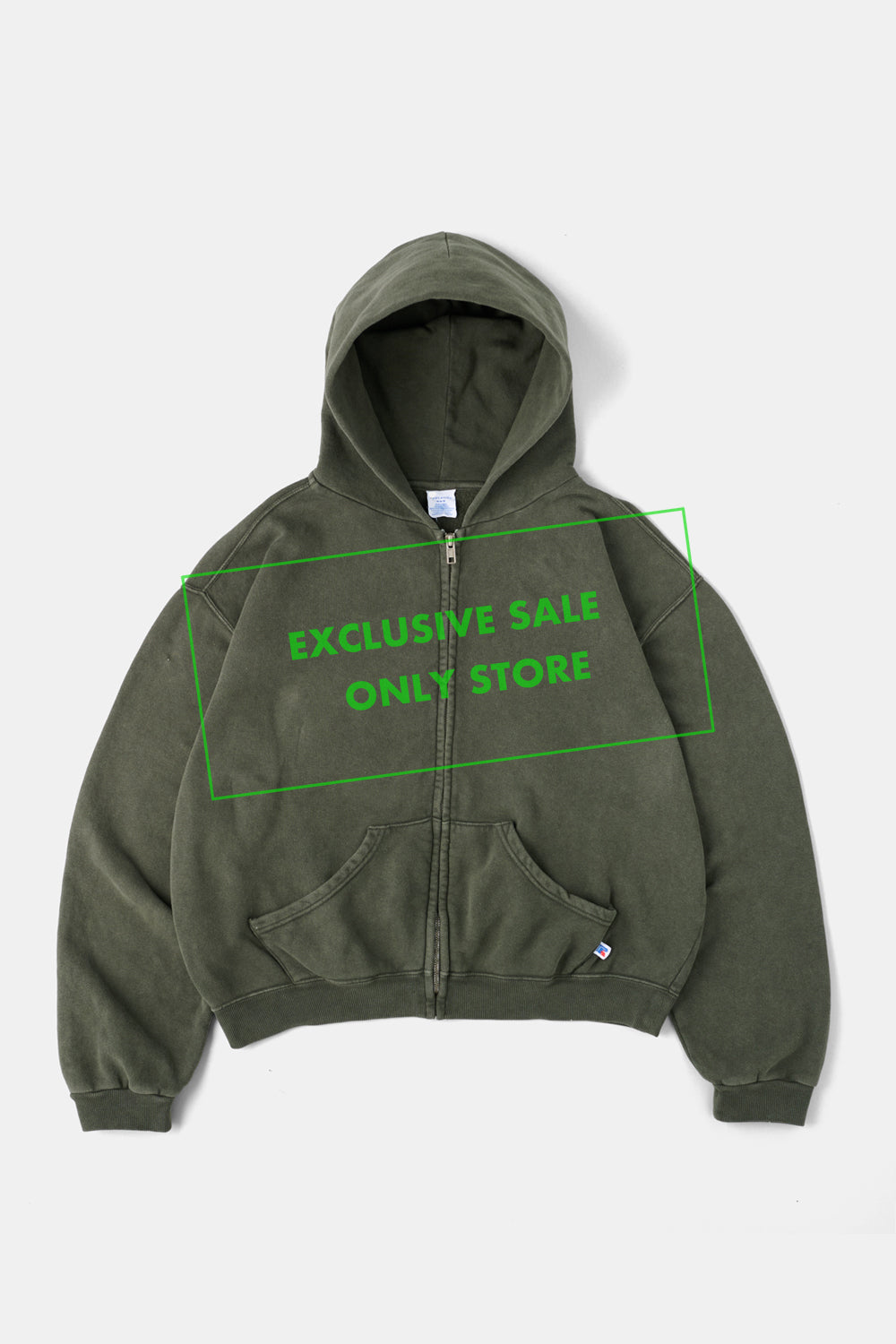
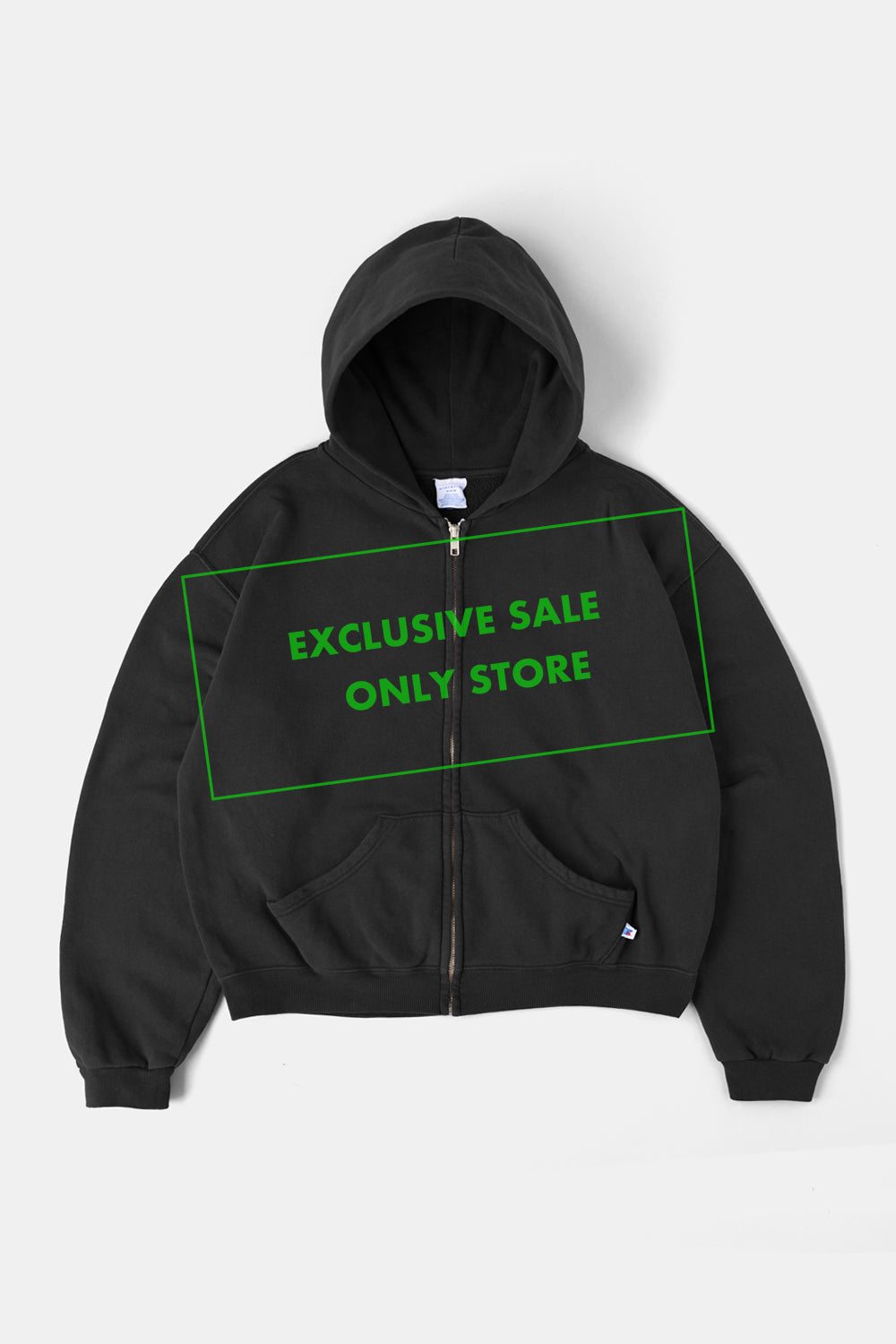
There are about 10 colors available. The black colors recreate the faded look seen before the 1960s when dyeing techniques were still in their infancy and dark colors had poor colorfastness.
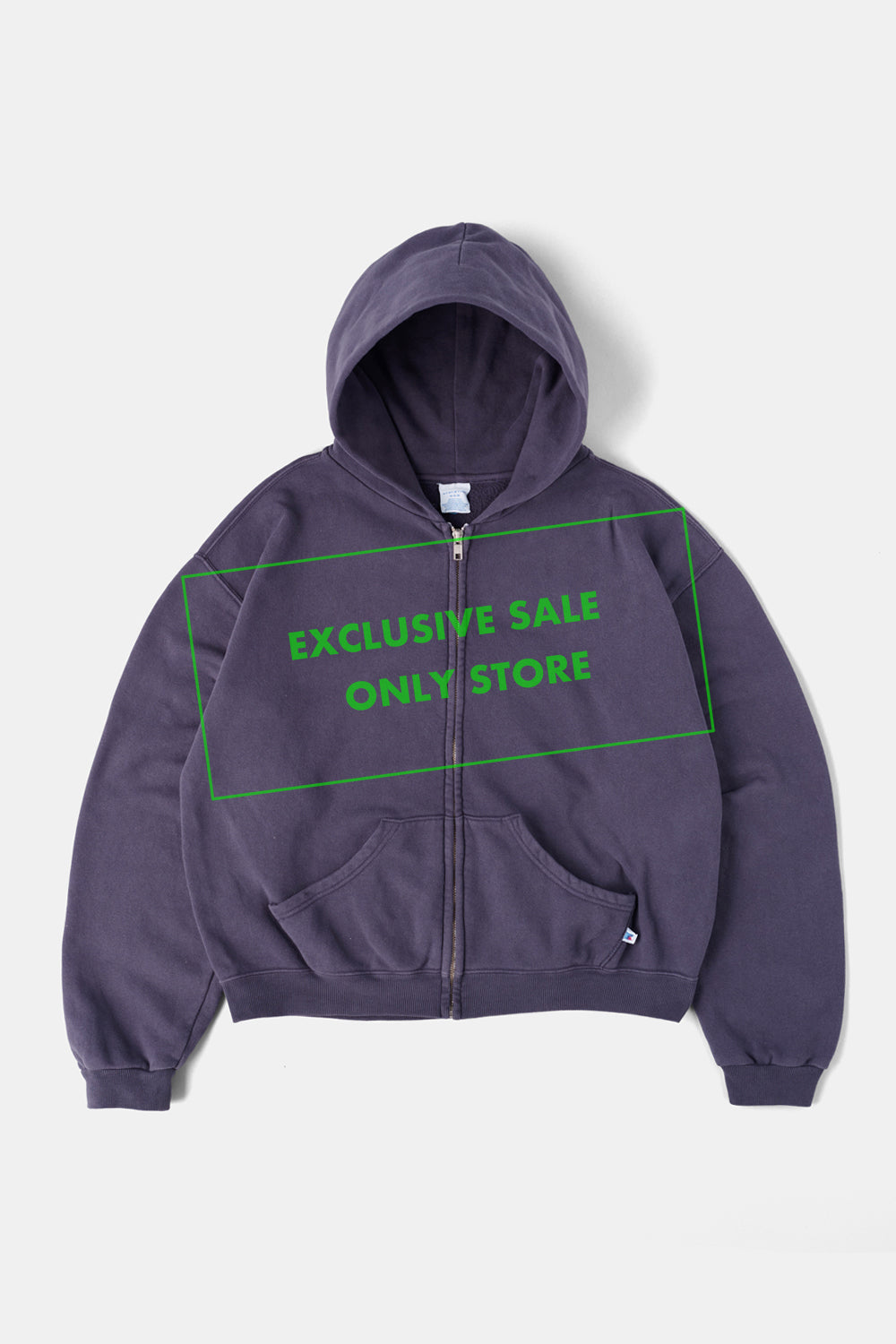
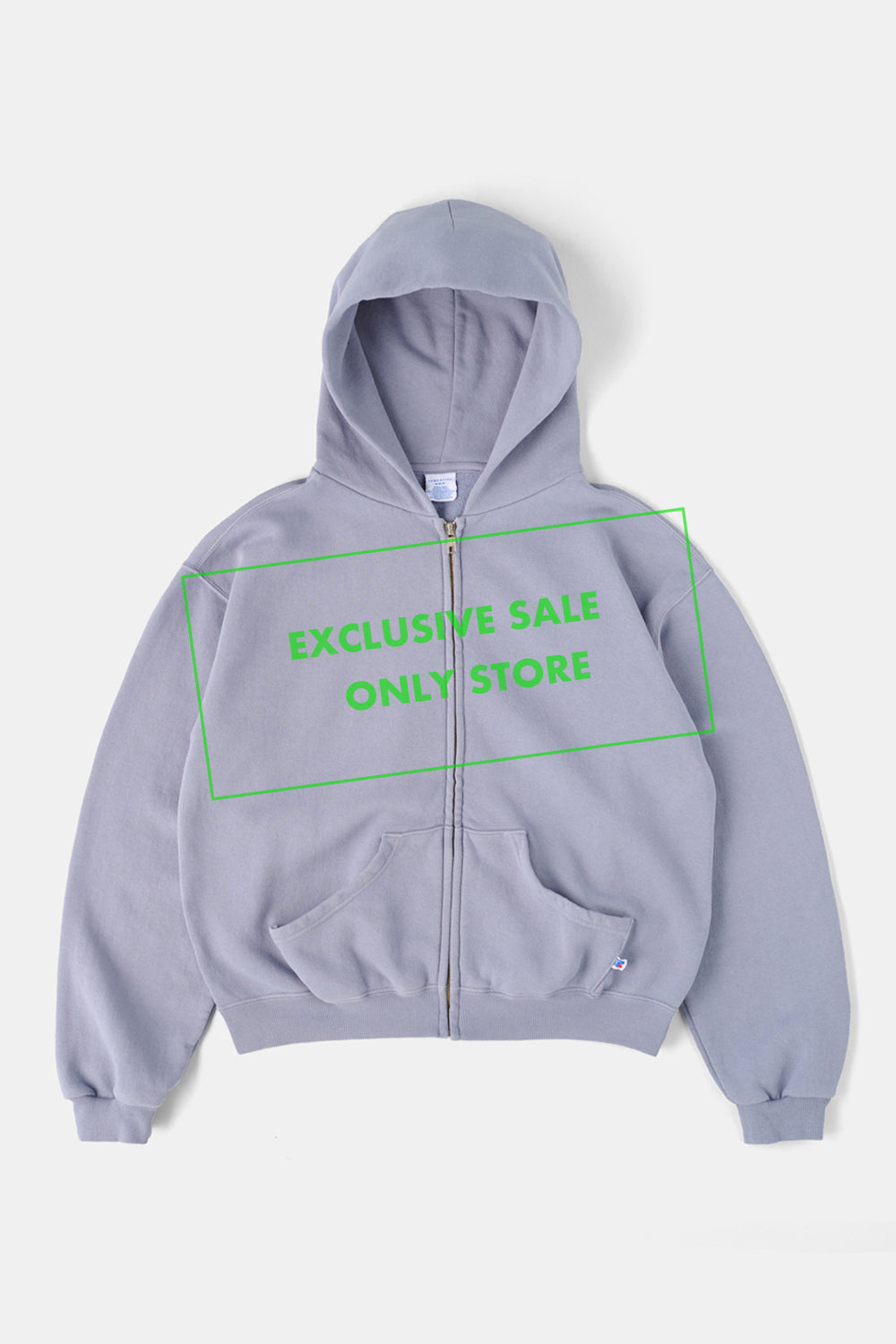
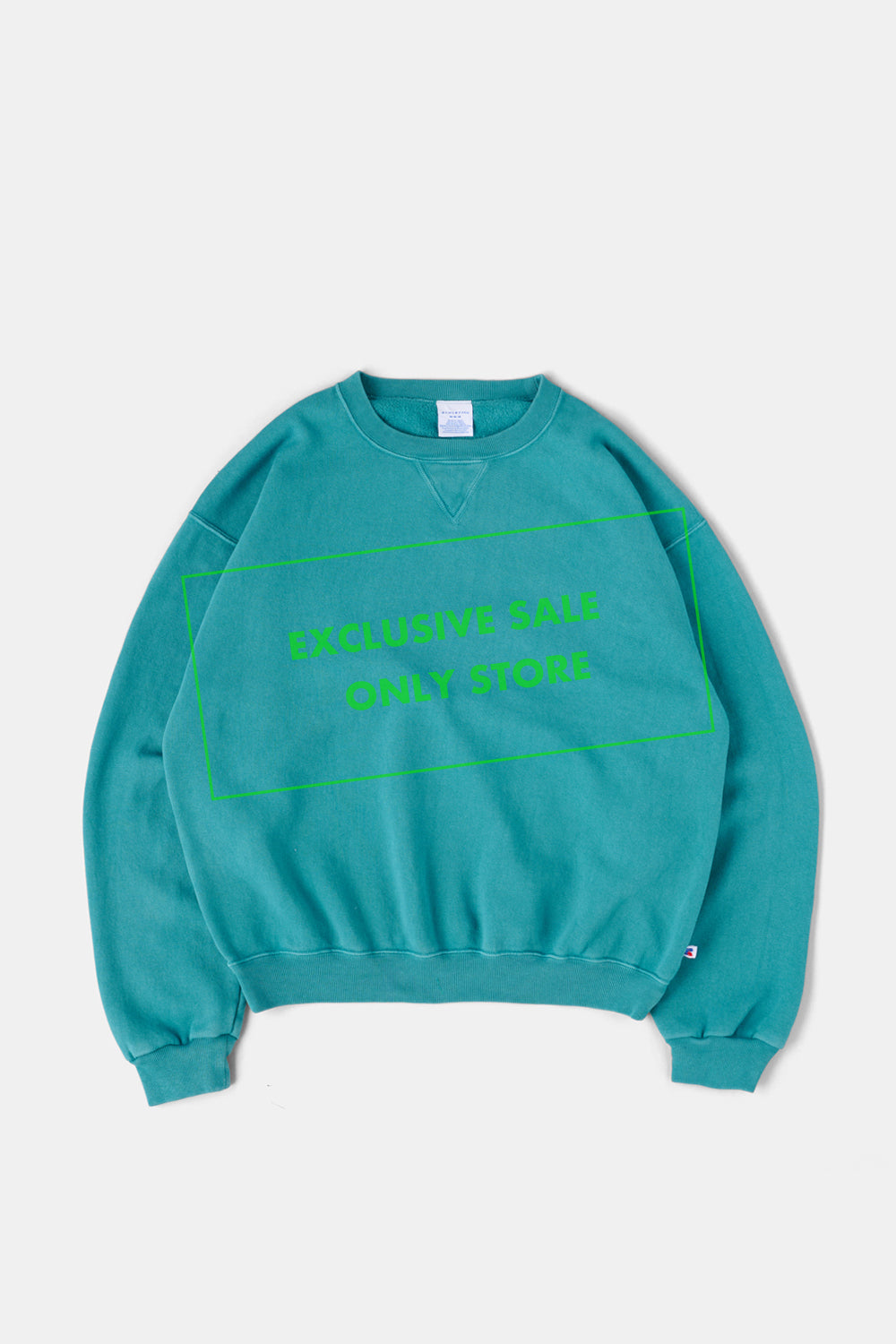
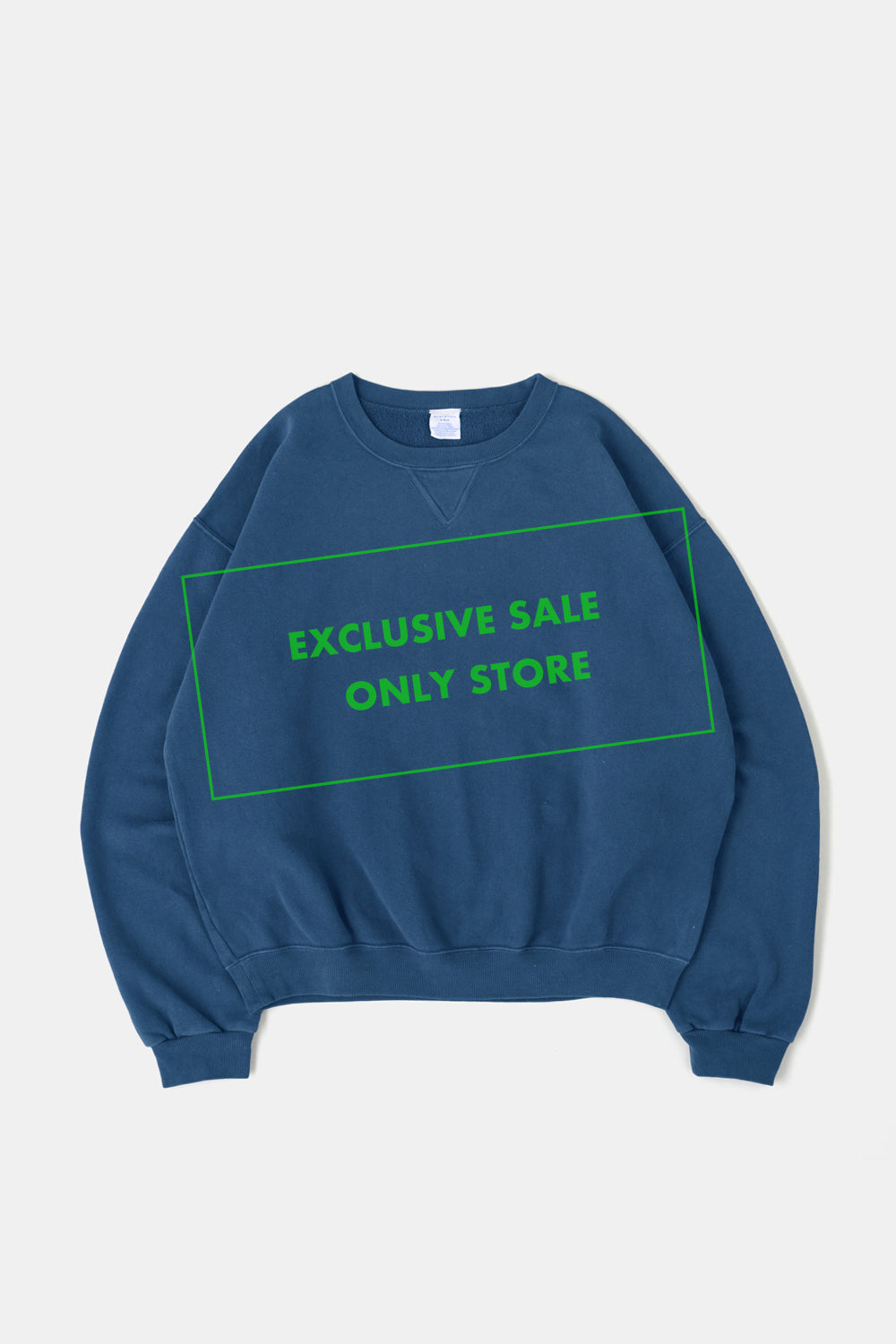
The pastel colors are inspired by the colors that American manufacturers have been offering since the 1990s. To recreate the slightly sun-bleached look, we used special dyeing and processing techniques.

Having seen thousands of vintage sweatshirts, I combine elements that catch my eye and various characteristics from different eras.

60's Faded Zip hoodie & Crew Sweatshirts

Col: 10cols

Size: Medium, Large

Zip Hoodie: ¥24,000 (+tax)

Crew Sweatshirts: ¥20,000(+tax)

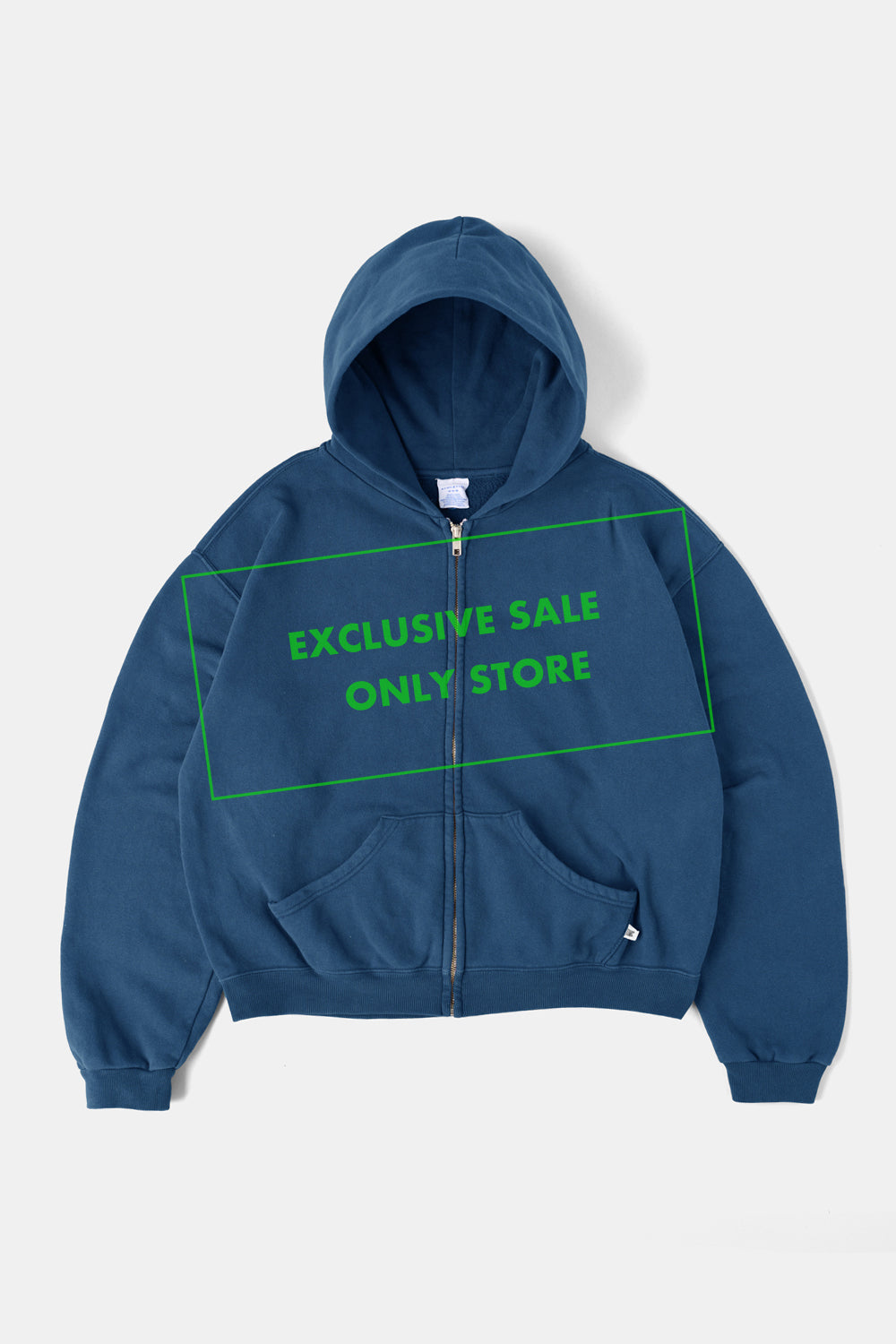
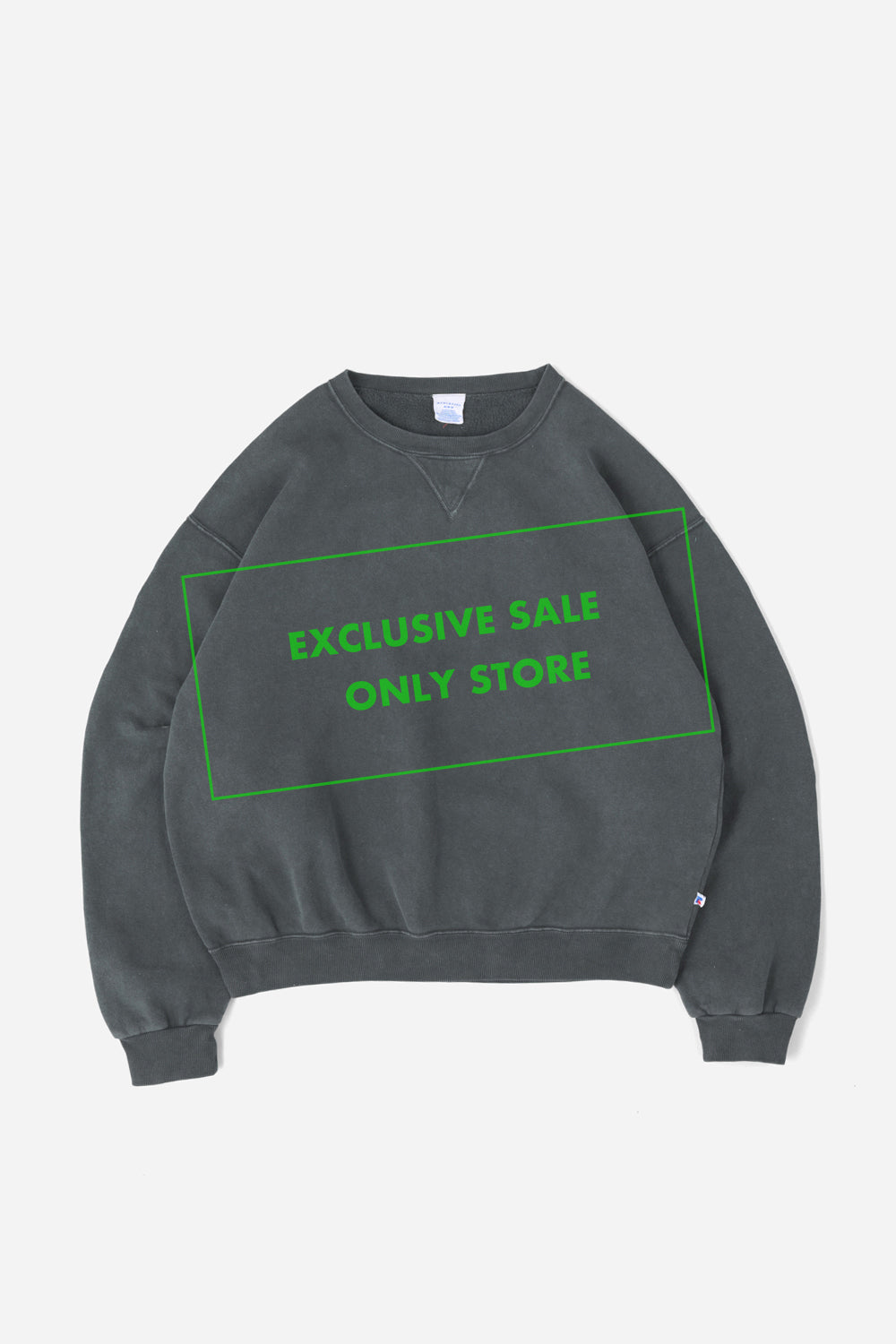
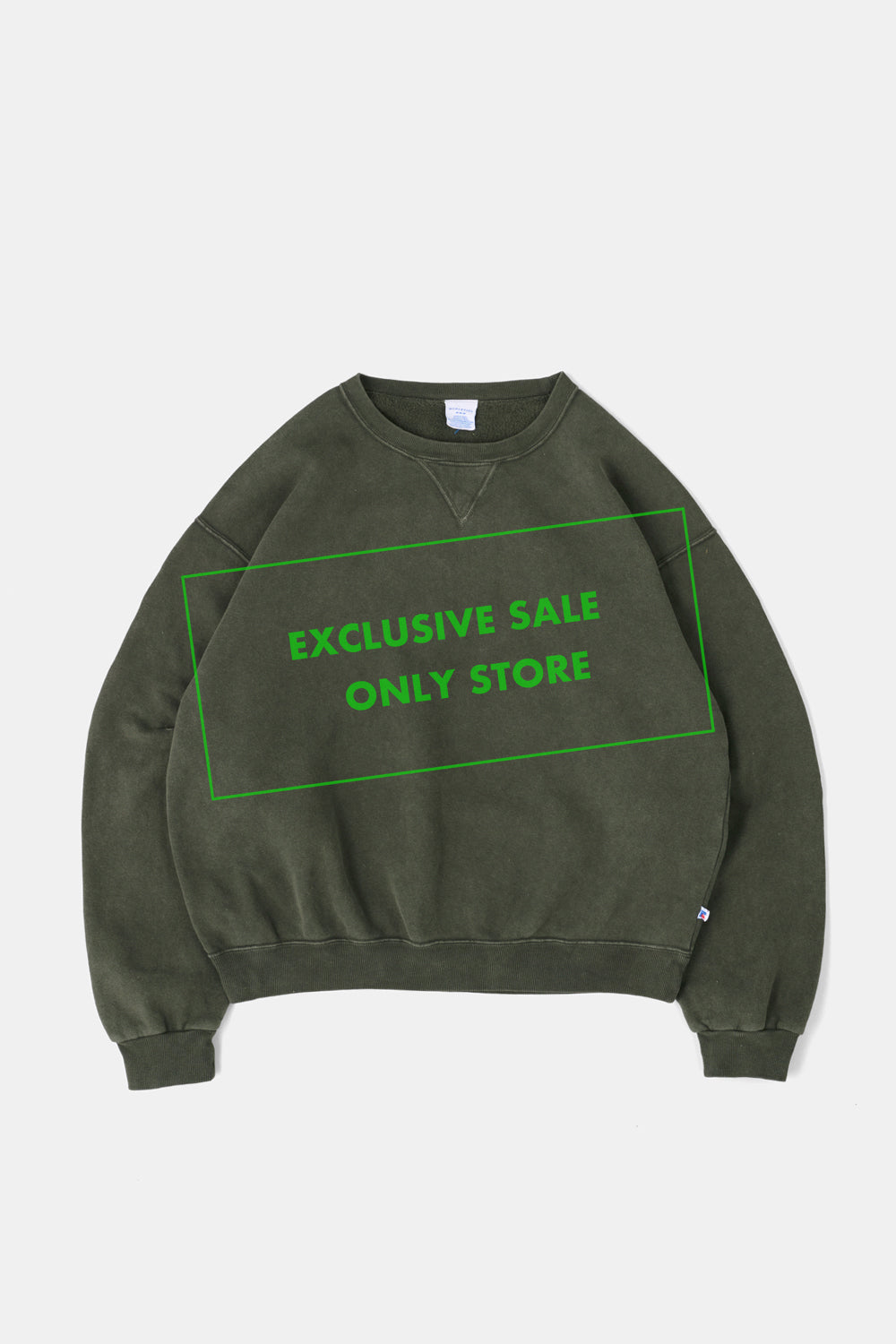
Designed with an authentic vintage texture, highlighted by a distinctly cropped and wide 90's silhouette. Unique details include shallow front pockets reminiscent of older zip hoodies and a beautifully shaped hood inspired by early 2000's streetwear.

Colors: Faded gray, vintage khaki, multiple subtle shades of black, plus Champion and Russell-inspired pastel tones from the 90's onwards—available in 10 colors.

We've been sourcing vintage clothing for years, and the colors and textures of these sweatshirts are so authentic that even we sometimes mistake them for genuine vintage pieces.
However, we've intentionally designed the hood shape and overall fit to create a more modern impression.

History of the Hoodie

The origin and spread of the hoodie

The history of the hoodie began in 1926 when the founder of Russell & Co. came up with the idea of ​​a comfortable cotton football jersey as an alternative to wool uniforms. Based on this idea, cotton crew neck sweatshirts were produced in 1930.

Although hooded clothing has existed since ancient times, the modern "hoodie" was born in the 1930s. At the time, hooded sweatshirts made for American sports teams became a standard casual wear for college students. They also became popular as practical clothing for workers in cold climates.

In the 1960s, American universities began printing their school names on sweatshirts, making them a promotional tool. Sweatshirts became a symbolic item that showed pride and a sense of belonging to a university, and they became widely popular among the general public.

In the 1970s, hoodies began to be recognized not only as sportswear but also as streetwear. Influenced by movies and youth culture, hoodies became a popular fashion item, especially among young people in urban areas. In subcultures such as skateboarding, graffiti, and hip hop, hoodies were valued for their anonymity and practicality.

From the 1980s to the 1990s, the popularity of hoodies grew with the expansion of hip-hop culture, becoming an iconic item of street fashion. Influenced by this, many famous brands and designers incorporated hoodies into their fashion collections. In the 1990s, hoodies became widespread and established as a symbolic garment of youth culture and the music scene.

Social Shifts of the Hoodie

The changing social image of food

The hoodie is a very simple and classic item, but it has had a strange history. Here is a book about it.

A paperback book by Alison Kinney, a New York-based author and non-fiction writer.

This exhibition explores the history of hoodies, which have been deeply linked to power relations and social messages.
He positions the hoodie as "both everyday clothing and a political semaphore," arguing that it has sometimes protected the powerful and even forced sacrifices on the weak. For example, the hoodie symbolizes perpetrators of violence such as executioners and KKK members, while also representing prisoners being executed and victims of lynching. He points out that the ambiguity and ambiguity of the hoodie as a symbol of both has always worked to the advantage of those in power.

For young people, particularly those from poorer classes and black communities, hoodies have become a form of "body armor" and a way to hide from hostility, violence, and stares from those around them. However, society has stigmatized hoodies as potential criminals and delinquents, creating a dilemma in which the very hoods that are meant to protect oneself can in turn attract prejudice.
Using "food" as a clue, this book explores the history of power, resistance, identity, and violence in human society.

The hoodie was originally created as a simple and practical piece of cold weather gear, but as times and culture have changed, it has taken on a variety of meanings and symbolism. Its image has transformed through movies, music, and social events, and while it has received both positive and negative evaluations, it remains a familiar garment for many people. Just as denim pants have transformed from workwear into a fashion icon, the hoodie is a multifaceted and dynamic fashion item, and its evolution itself serves as a mirror reflecting trends in fashion and society.

Products List

60's Faded Zip hoodie / Olive Gray

Sold out

60's Faded Zip Hoodie / Lime

Sold out

60's Faded Zip Hoodie / Black

Sold out

60's Faded Zip Hoodie / Blue

Sold out

60's Faded Zip hoodie / Dusky Purple

Sold out

60's Faded Zip hoodie / Queen Blue

Sold out

60's Faded Crew Sweatshirts / Chacoal Gray

Sold out

60's Faded Crew Sweatshirts / Olive Gray

Sold out

60's Faded Crew Sweatshirts / Turquoise

Sold out

60's Faded Crew Sweatshirts / Blue

Sold out

60's Faded Crew Sweatshirts / Navy Gray

Sold out

60's Faded Crew Sweatshirts / Black

Sold out